

Sustainability Story of Assam Bengal Navigation
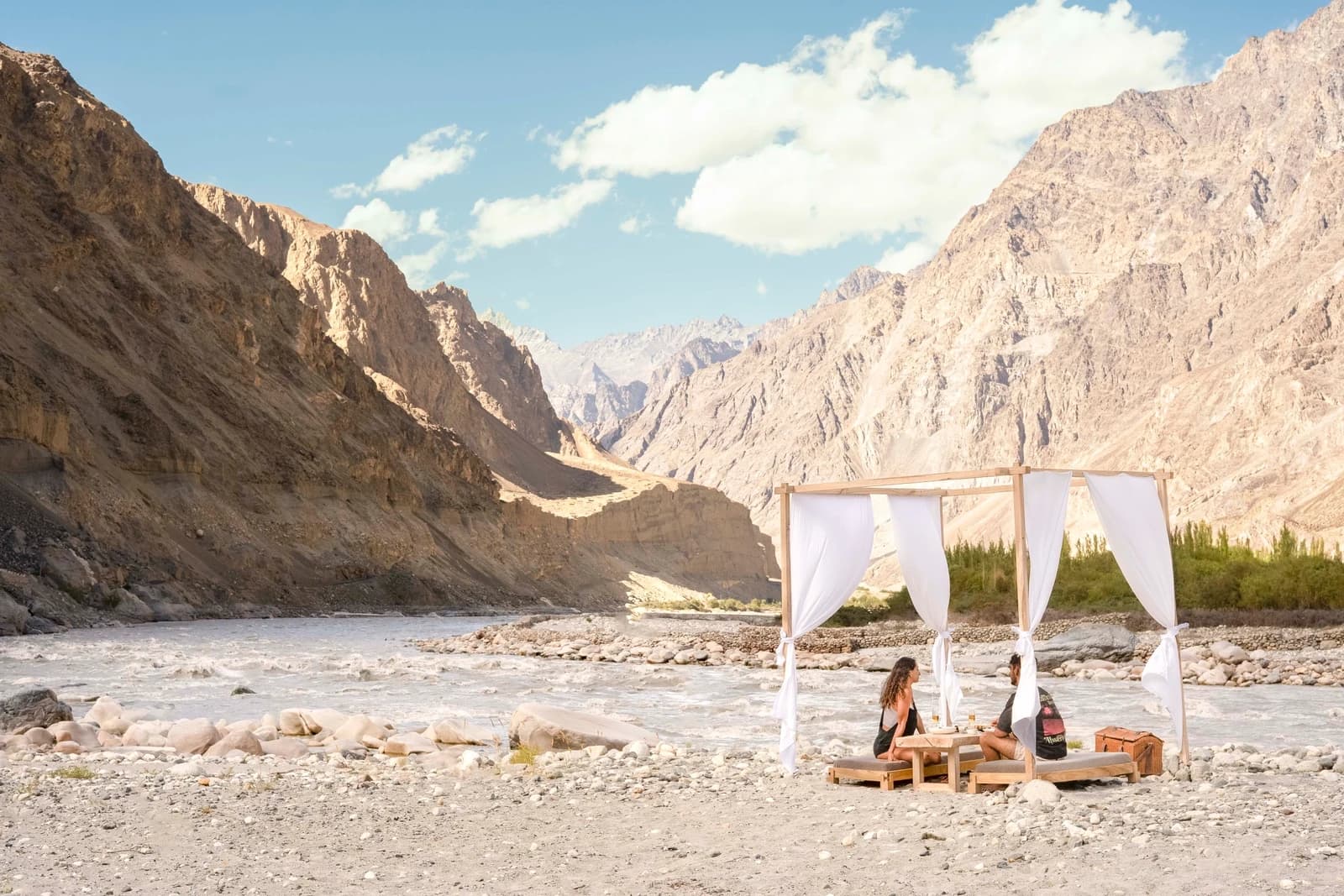
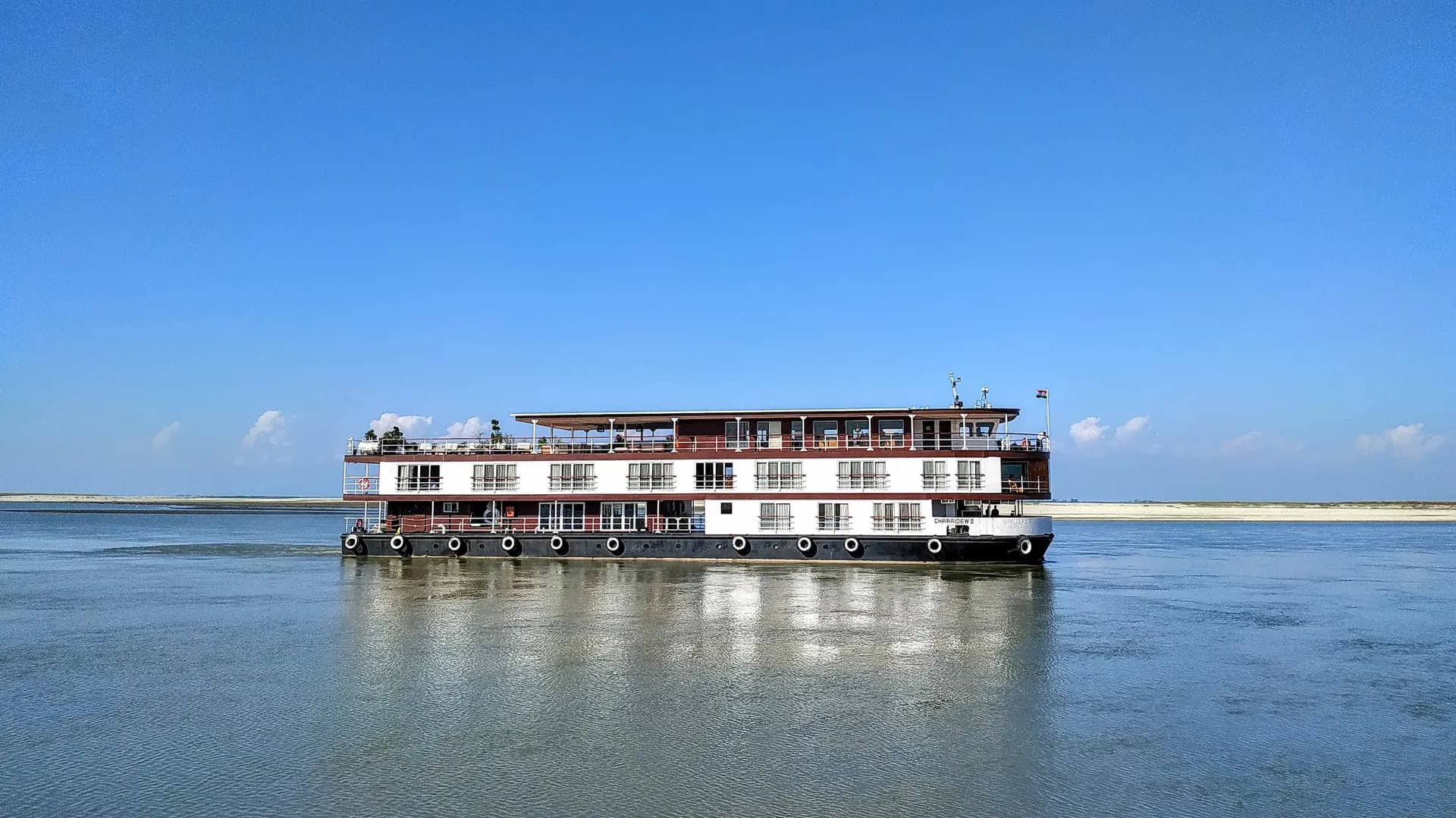
Assam Bengal Navigation is not merely a river cruise company. It is a way of entering the subcontinent through its oldest corridors: water, trade, settlement, ecology, craft, and story. Its Pinwheel narrative flows, quite literally, through the Ganges and Brahmaputra, where river travel becomes both heritage experience and ecological responsibility.
Water conservation and waste management are central to the operation. Water is provided through reusable bottles and filling stations, reducing reliance on packaged water. The river vessels are equipped with sewage tanks to prevent waste from dispersing into the rivers, while waste generated on board is brought back to shore for responsible disposal. Single-use plastic is kept to a minimum, and bathroom amenities are provided in wooden dispensers.
The human story is equally strong. Staff receive hospitality and English-language training before taking up positions. Many are employed full-time throughout the year, and a significant number have remained with the organisation for more than a decade, suggesting stability, loyalty, and a meaningful work culture.
ABN’s inclusivity and community work extend through education: local schools, mid-day meal support, school building improvements, lavatories, libraries, field trips, and English tuition. Its operations also support local farmers, guides, jeep operators, dance troupes, artisans, shipbuilders, and crew members drawn directly from local communities.
Heritage lives in the vessels themselves. Boats such as ABN Charaidew I and M.V. Rudra Singha celebrate traditional Assamese boat style, while interiors showcase bamboo, handlooms, indigenous motifs, antiques, textiles, and crafts sourced from rural artisans and small businesses across Assam and Bengal.
Biodiversity conservation is present through the ABN Foundation’s flood relief support in Kaziranga National Park, assistance to forest authorities through naturalists and guides during wildlife relief, and collaboration with organisations to train young naturalists.
Small ships limit excursion groups to 24 to 40 guests, reducing pressure on temples, villages, national parks, and other sensitive sites. ABN proves that river travel, when done with care, is not a passage through a landscape. It is a conversation with it.










-320x320.webp&w=3840&q=75)


-430x433.webp&w=3840&q=75)