

gINKgo I The RARE Collection Newsletter I From Riverbanks to Fort Walls and Forest Trails I Vol 123 I June 2026

Dear Travellers...
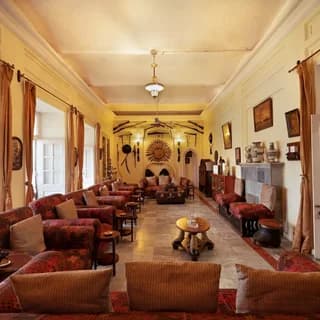
As we continue to revise strategy for RARE - the collection grows intentionally to include areas that need to be seen and experienced while revisiting marquee destinations reeling under tourism's unchecked growth. Iconic destinations need space to breathe, relook at their intentions, revise tourism agenda and revive themselves as a destination. And this can happen with small hotels enticing you with gentler, less crowded and exclusive experiences. A look at Rajmahal Palace RAAS, Laalee and Dera Amer - all in Jaipur will show you how every hotel category is anti to over-tourism.
This I say because I hear so much about responsible tourism being the prerogative of the affluent and how luxury and high-end travel is the answer to all of tourism's woes. If mid-budget and low-budget travel can be excluded from travelling responsibly, shouldn't flights only reserve or prioritize business class for emergency evacuation!
Meanwhile, here is Piyasha's insight into new routes with RARE's latest hotels, a valuable insight from someone who has been in travel for over a decade. This is followed by an introduction to the portfolio of hotels and lodges in Uttar Pradesh, which deserves tourists to look beyond Varanasi, Agra and Lucknow. Wildlife explorers should also focus on newer reserves like Tipeshwar and lesser-known areas like Dudhwa, Pilibhit and Corbett.
Happy Reading!
Shoba Rudra
Storyteller & Boutique Hotels OG

Rivers, Ravines & Wilderness
Some of North India's most rewarding journeys begin where the usual tourist trail ends. Starting in the Chambal Valley at Mela Kothi – Chambal Safari Lodge, travellers are introduced to another India altogether. River safaris offer sightings of gharials and endangered river dolphins, while hidden temples and forgotten settlements reveal the valley's rich and notorious past. Hosts Ram Pratap Singh and environmental scientist Anu Singh have spent decades championing conservation in the region, creating a place where wilderness, hospitality, and purpose come together for tourism.
The journey then follows the Chambal into the ravines of Bundelkhand with Fort Rampura Ravine Retreat, the ancestral home, a massive fort that has belonged to the family for fifteen generations. Cycling on remote country roads, pottery sessions, tranquil boat rides, and conversations with the family offer an intimate glimpse into a way of life that has endured centuries.
Continue north towards Lucknow and the wild terai forests surrounding Camp TigerLily, where travellers are introduced to a quieter side of the wilderness through safaris in Kishanpur and Dudhwa, birding along the Sharda River, meeting Tharu villagers, and time spent amidst rewilded landscapes. A few unhurried days here offer the perfect finale, allowing nature lovers to slow down in the wild, and finally departing from Lucknow. Beginning in Delhi and unfolding through Jaipur, Ramathra Fort and connecting to Chambal, Bundelkhand, and the Terai, this journey links extraordinary stays through landscapes where wildlife, conservation, heritage, and family hospitality form the linking thread. The trail also traverses the terai and connects Nepal via Bardia or towards Pilibhit and Corbett.
Mela Kothi – Chambal Safari Lodge

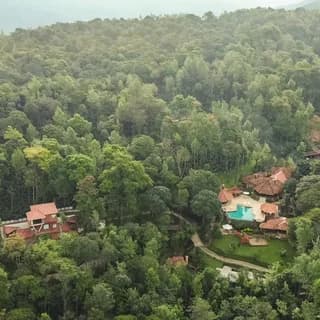
RARE India welcomes Mela Kothi – Chambal Safari Lodge to its collection of immersive wildlife, heritage, and community-led experiences. Nestled in the Chambal Valley near Agra, the restored eco-lodge offers travellers a rare opportunity to explore one of India's most pristine river ecosystems while engaging with local culture and conservation efforts. Explore Chambal's riverine wilderness through boat safaris, birding trails, village walks, cycling journeys and immersive heritage experiences.
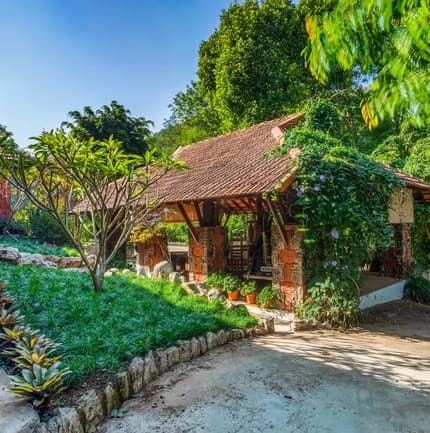
Originally built in the late 19th century as an office for a renowned cattle fair, Mela Kothi has been lovingly restored by Ram Pratap and Anu Singh. Over two decades, they have transformed it into a sustainability-driven retreat set amidst 33 acres of regenerated woodland. Guided by a deep commitment to ecological restoration, responsible tourism, and community empowerment, the lodge ensures that local communities remain central to its success. Its pioneering conservation initiatives have earned national recognition, including the TOFT John Wakefield Most Inspirational Eco Lodge Award 2023.

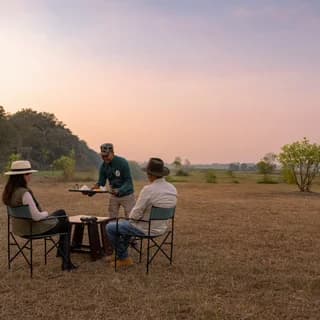
There are parts of the Terai that still sit beyond the usual routes of Indian wilderness travel. Camp TigerLily is one of them, set at Bhira Village on the edge of Kishanpur Wildlife Sanctuary and within easy reach of Dudhwa National Park. Built on rewilded farmland, the camp's mix of fruiting and native trees draws birdlife and small mammals. Days move between safaris in Kishanpur and Dudhwa, birding along the Sharda River, hikes to the nearby Tharu village and downtime at Barbet's Nest, the camp's charming gazebo perfect for sharing stories and snacks as well as a vantage point for spotting wildlife.

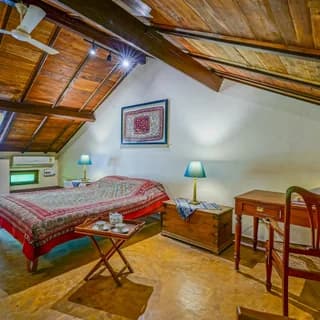
Not every fort surrendered to time. Some continue to breathe with the lives of the families who have called them home for centuries. Hidden deep within the dramatic ravines of Bundelkhand in Uttar Pradesh, Fort Rampura Ravine Retreat is a 800-year-old ancestral fort that has remained in the care of the same family for fifteen generations. Far from the polished grandeur of conventional heritage hotels, this is a living fort where history lingers in weathered stone corridors, quiet courtyards and sweeping views of the ravine landscape. Days unfold at an unhurried pace with heritage walks, village and ravine explorations, pottery sessions, traditional gur-making, riverside boat rides and starlit campfires. Here, the charm lies not in spectacle, but in experiencing the timeless rhythms, warm hospitality and country life of the region.