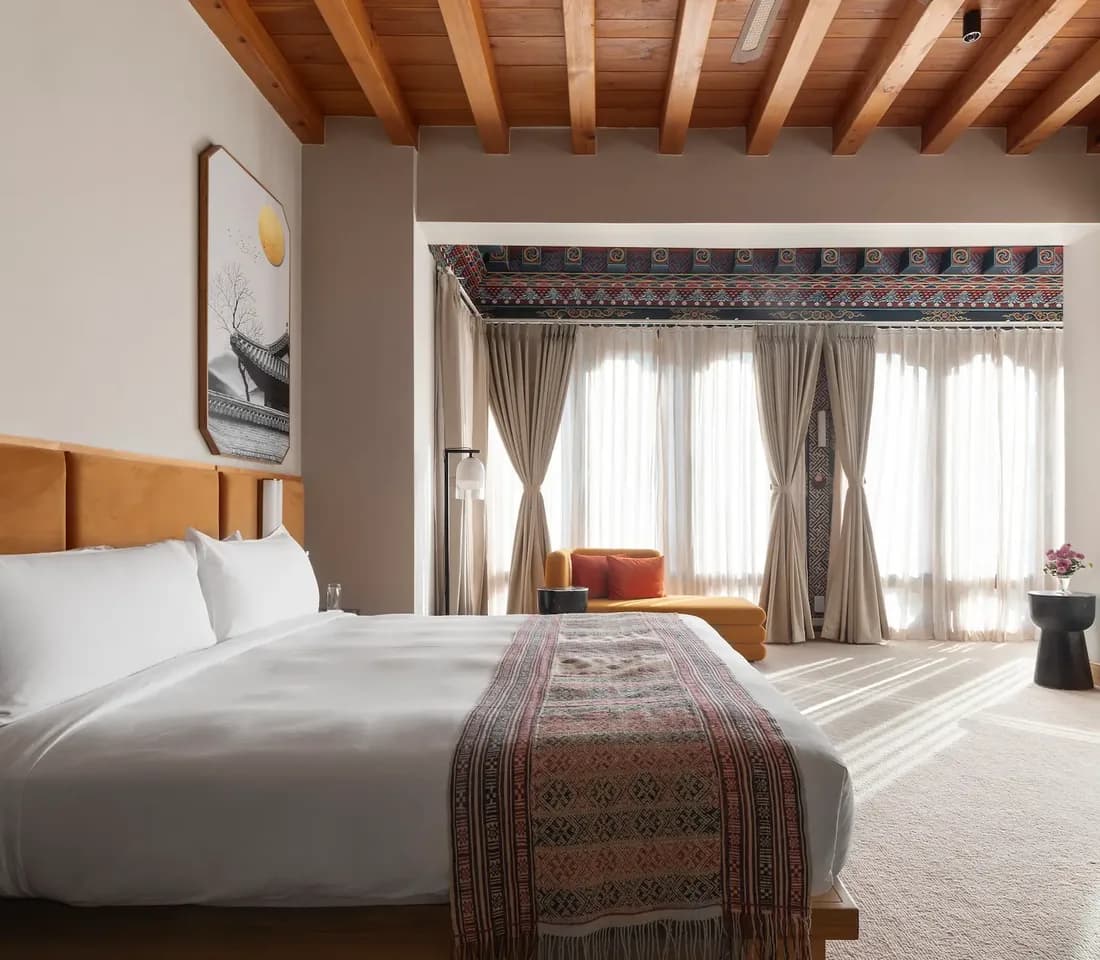
Bedroom Suite
USD 1,165/ NIGHT


Unveiling unique narratives in experiential travel centered around communities and sustainable travel.
explore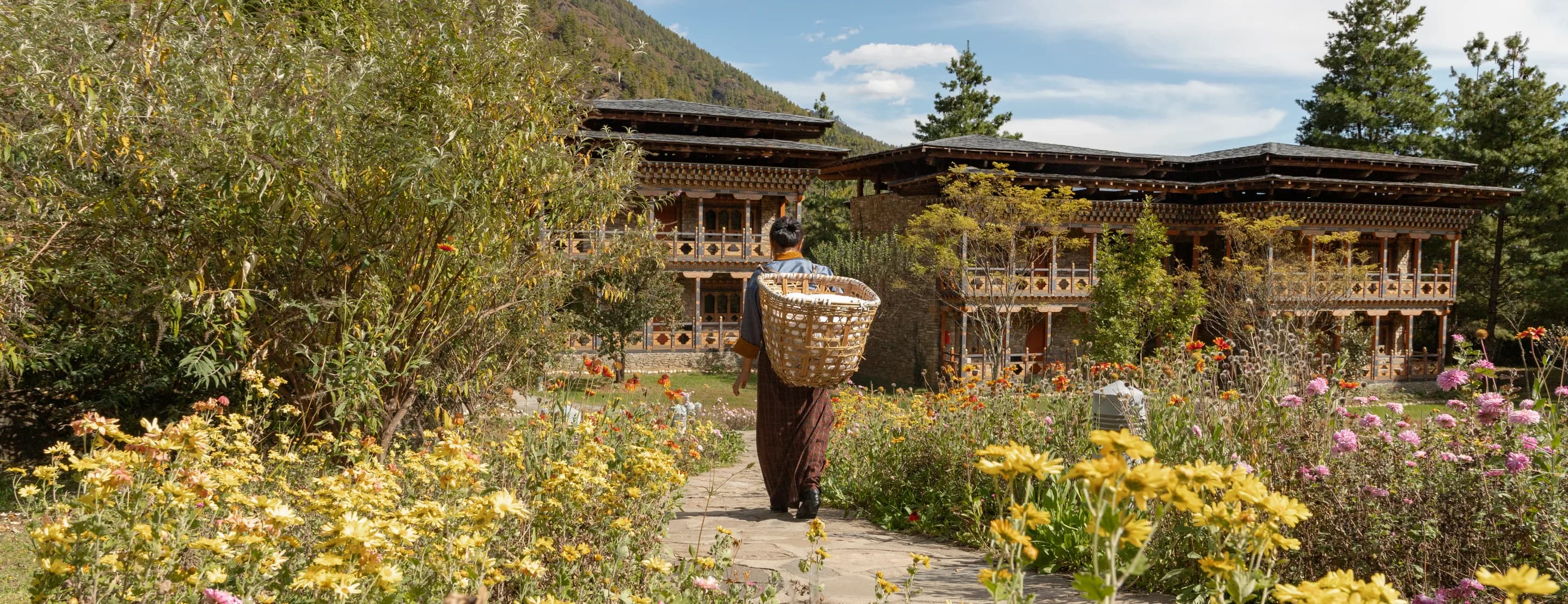
 45
45
Zhiwaling Heritage offers one of Bhutan’s most authentic and architecturally significant stays, blending traditional craftsmanship, spiritual heritage, and contemporary comfort in the heart of Paro Valley. Designed in the style of Bhutan’s historic dzongs and built using local materials and artisanal techniques, the property feels deeply rooted in the country’s cultural identity rather than simply inspired by it. At its heart lies a consecrated temple built from reclaimed timber from the historic Gangtey Monastery, reinforcing the sense that spirituality and daily life remain closely intertwined here. With thoughtfully designed rooms, warm Bhutanese hospitality, and easy access to Paro’s monasteries, trails, and cultural landmarks, Zhiwaling Heritage is ideal for travellers seeking a meaningful introduction to Bhutan’s traditions, architecture, and way of life.
Open throughout the Year
From
USD 897 / Night
Exclusive of taxes
From
USD 897 / Night


-150x150.webp)
-1-150x150.webp)




Zhiwaling Heritage suits travellers who are interested in understanding Bhutan through its built form, spiritual practices and everyday rhythms, rather than through curated spectacle. It works particularly well for those who value architecture, materiality, and cultural continuity, while still expecting comfort and structure in their stay.

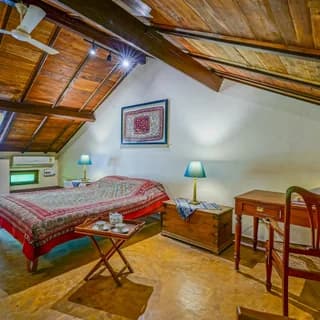
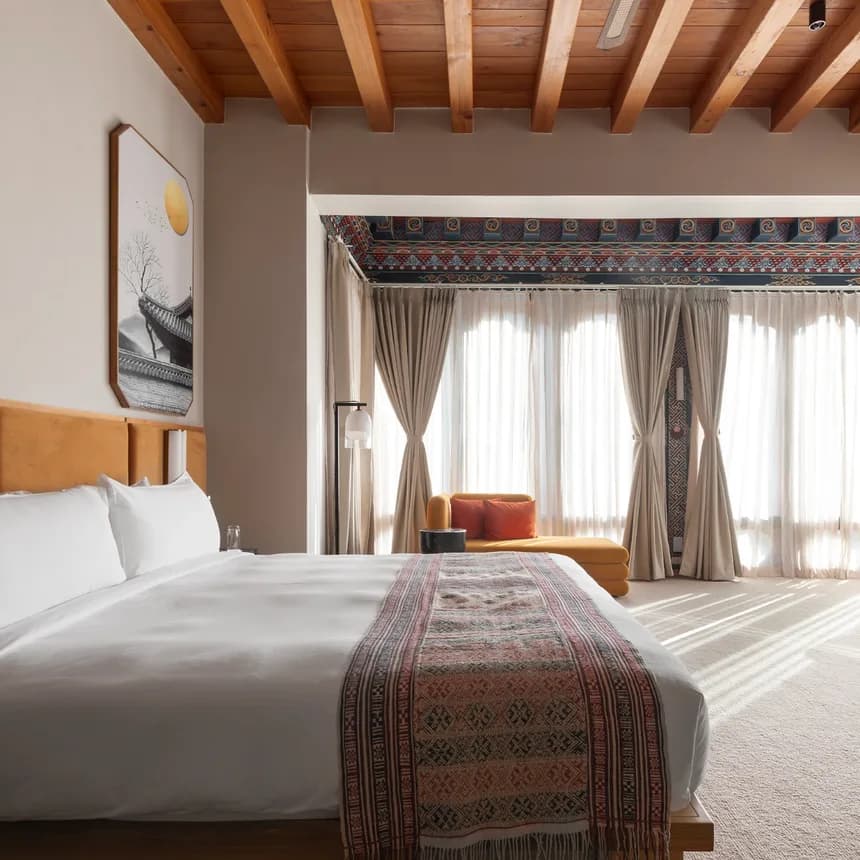
The 45 rooms and suites are distributed between the main building and cottage-style clusters set across the grounds. This distribution creates variation—some rooms are closer to shared spaces, while others feel more removed and private. The Royal Raven Suite, named after Bhutan’s protective deity, is the most expansive, comprising two bedrooms, a private shrine room, and separate living and dining areas. The shrine room, with reclaimed monastery timber, reinforces the integration of spiritual elements within the living space. Butler service here is present and unobtrusive.
The Blue Poppy and Takin suites, named after Bhutan’s national symbols, sit within the main structure and offer elevated views across the valley. These suites include balconies and can interconnect with adjacent rooms, making them suitable for families or small groups. Junior Suites form the majority of the accommodation and are located across eight cottage blocks named after auspicious Bhutanese symbols.
These spaces feel more dispersed, with views of the gardens, the village, or the surrounding hills. Interiors are consistent across categories—timber detailing, traditional textiles, and a palette that reflects the surrounding landscape rather than contrasting with it. Rooms do not attempt to impress through scale alone. Instead, they rely on proportion, material and light—large windows, warm timber tones, and a layout that allows for tranquillity.
USD 1,165/ NIGHT
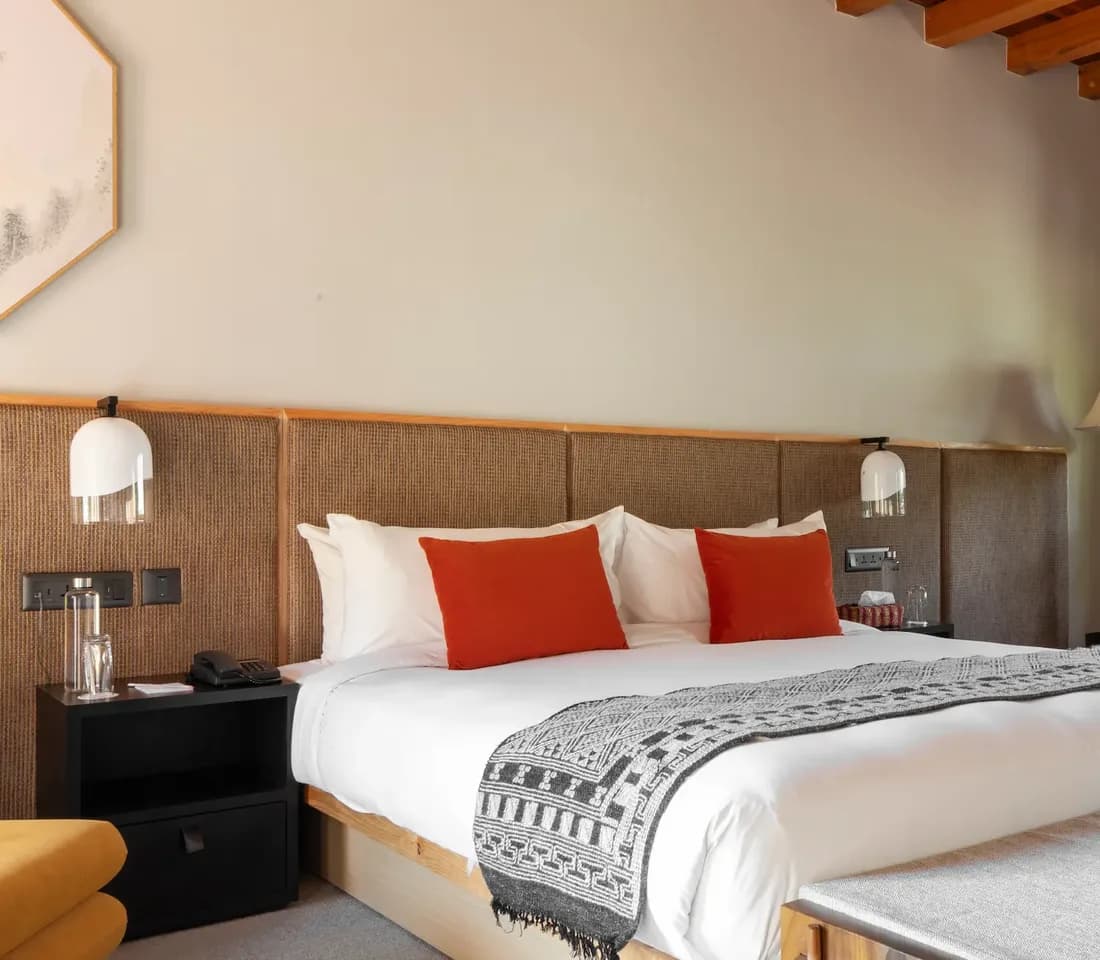
USD 897/ NIGHT
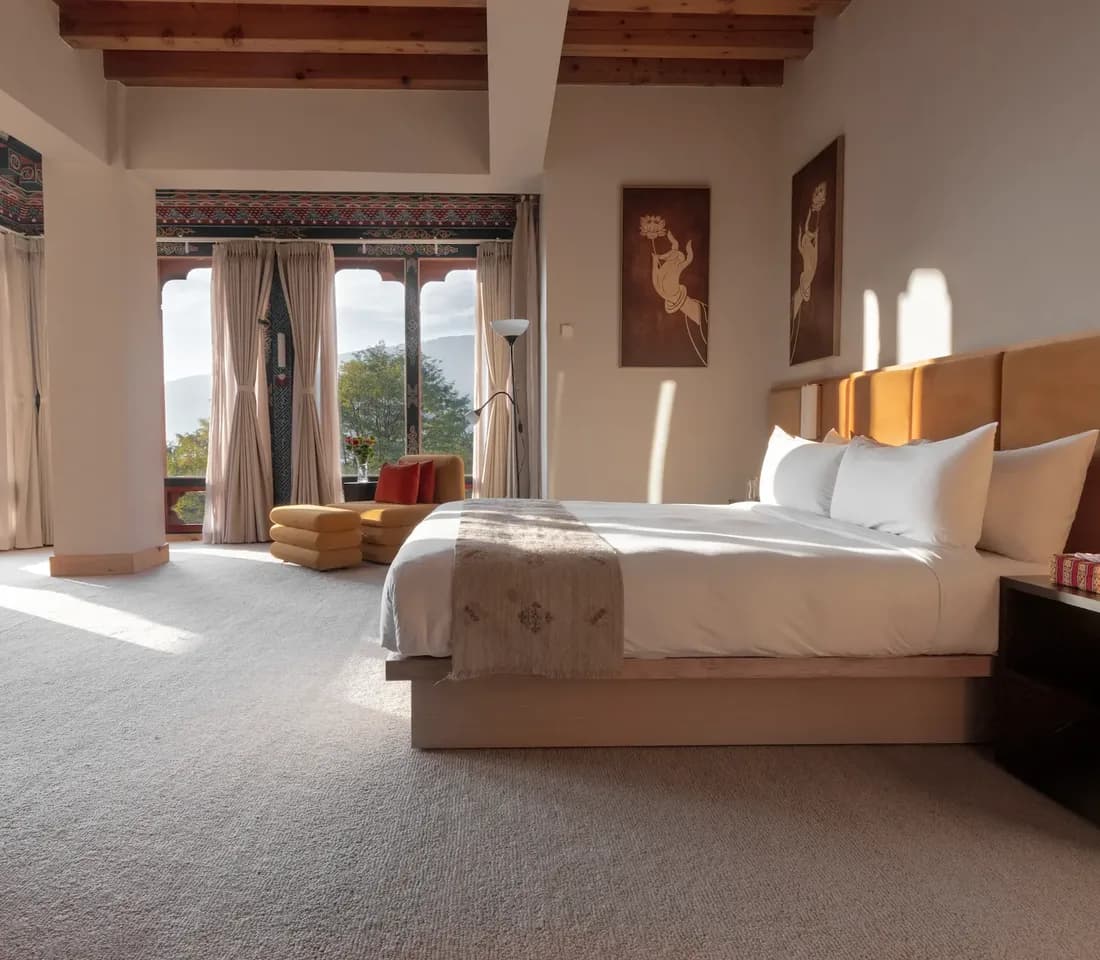
USD 2,215/ NIGHT
Spend time in the temple, built from reclaimed timber of the 17th-century Gangtey Monastery, a consecrated space where rituals continue and where the atmosphere of the entire property gathers.
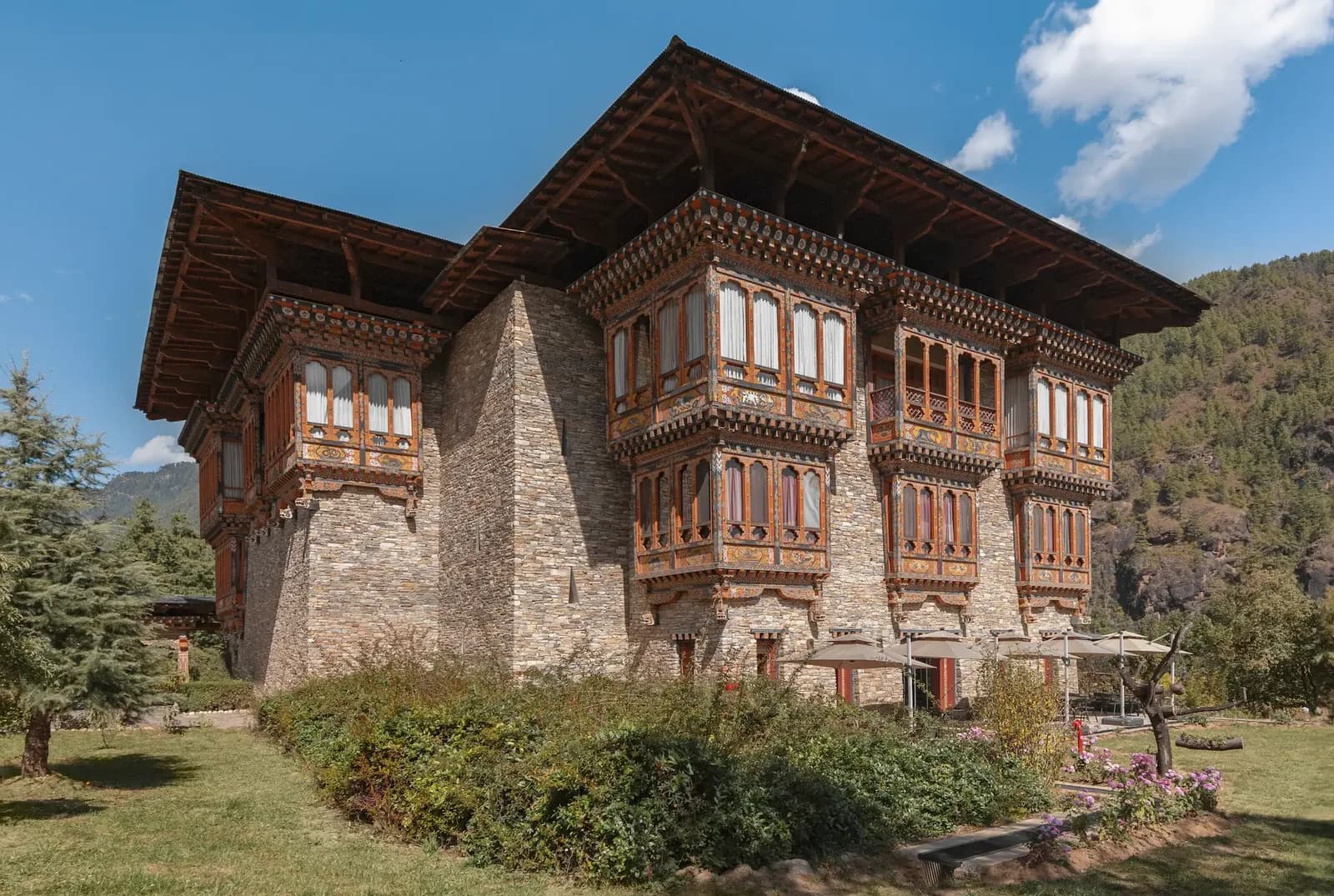
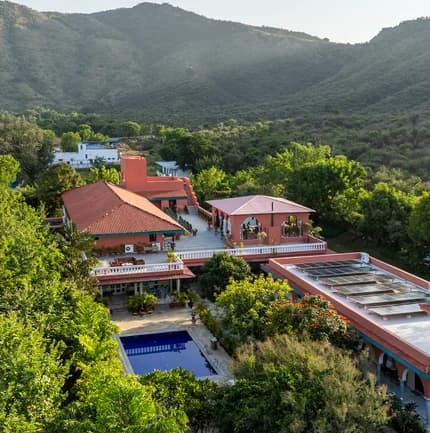
Paro Valley is Bhutan’s point of arrival, but it does not feel transitional. The valley opens gradually, with cultivated fields at its base, clusters of traditional homes, and monasteries positioned along ridgelines. Movement here is shaped by terrain and ritual, a slowness that is a welcome change to the frantic pace of everyday life. It is from Paro that most journeys into Bhutan begin, including the climb to Taktsang Monastery—Tiger’s Nest—set high into a cliff face. The experience is not only visual; it is physical and reflective, following a route that has remained largely unchanged for centuries. Zhiwaling Heritage sits on the quieter edge of this valley, removed from the immediate activity of town but close enough to access its monasteries, trails and daily rhythms. The property occupies a sloping site, with views extending across forested hills and agricultural land, allowing a sense of distance without isolation.
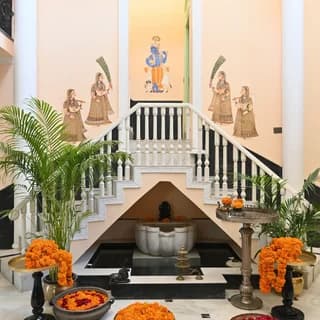
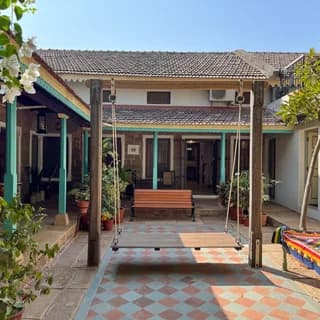
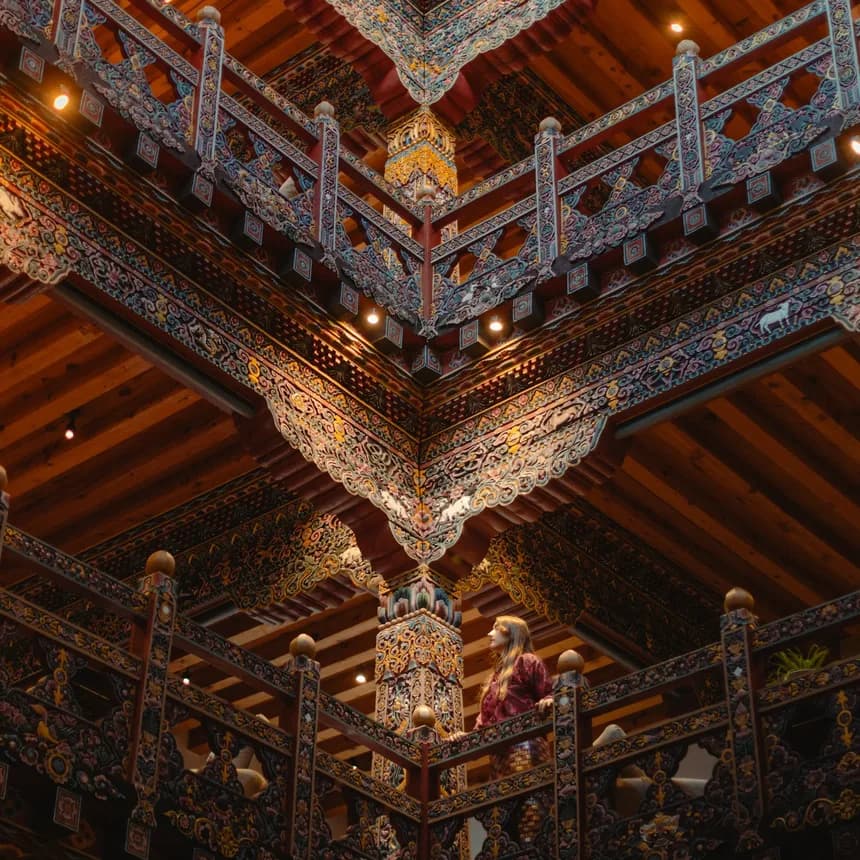
Zhiwaling Heritage is not merely an interpretation of Bhutanese architecture; it is built within its very framework. The architecture draws from Bhutan’s dzong tradition, with thick whitewashed walls, carved timber detailing and a spatial layout organised around courtyards, echoing the form of fortress-monasteries that continue to anchor both civic and spiritual life in the country. The scale is immediately apparent on arrival. Courtyards open into one another, corridors frame views of mountains and sky, and the layering of spaces creates a sense of progression rather than immediacy. The material integrity is striking: hand-carved timber columns, painted beams with traditional motifs, and textured rather than polished stone surfaces. The visual language is consistent throughout—there is no shift into generic luxury styling. At the centre of the property is its most significant element: a temple constructed using reclaimed timber from Gangtey Monastery. The age of the material is visible in the depth of its grain and the irregularity of its surface. The space is dimly lit, with butter lamps, murals, and carved altars, and remains in active use for prayer and ceremony. It is not presented as a token feature—it exists as a functioning part of the property. Modern interventions are present in a restrained manner. Underfloor heating, for instance, is essential in Bhutan’s climate but remains invisible. Bathrooms are contemporary, but do not disrupt the overall language of the space. The balance is deliberate—comfort is introduced without altering the structure's identity.

Born and raised in Bhutan, Dorji Tshoden spent her formative years studying in India and the United States before returning home to join the family business. As Marketing Director of Zhiwaling Heritage, she is passionate about sharing the people, traditions, and quiet beauty that make Bhutan special. She feels fortunate to play a small role in welcoming travellers to the country and introducing them to the stories that have shaped Zhiwaling over the past two decades.
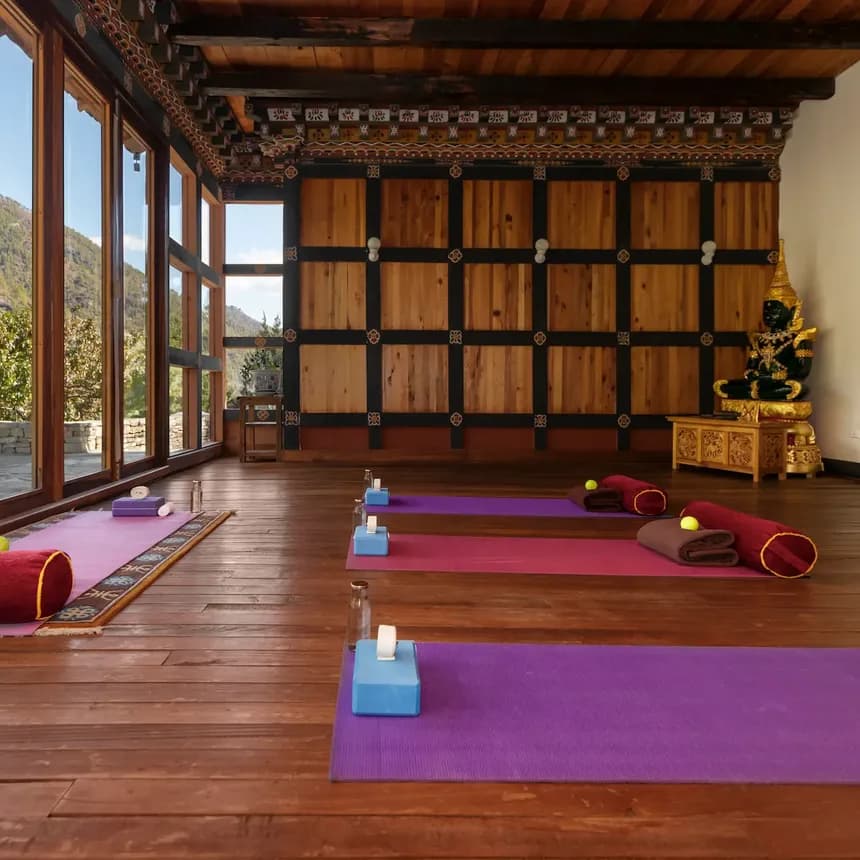
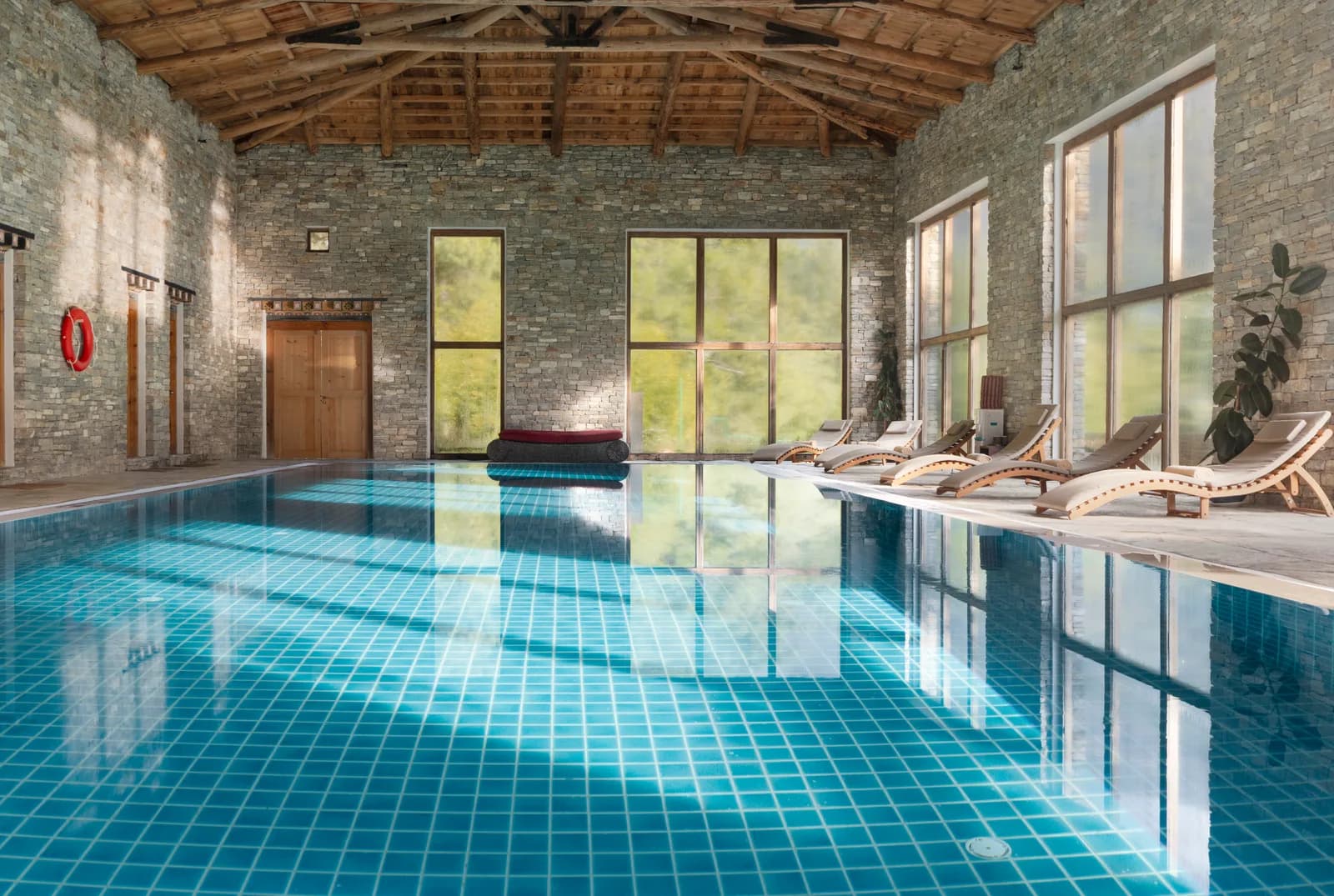
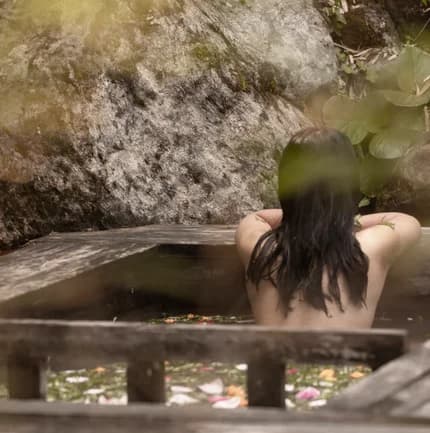
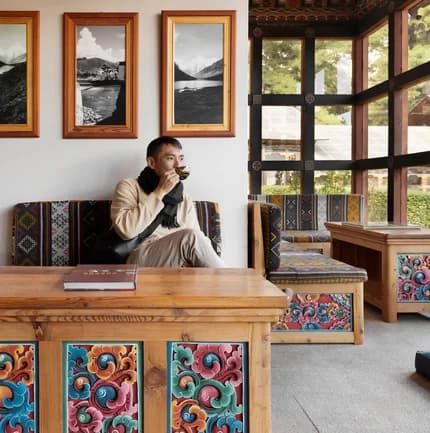
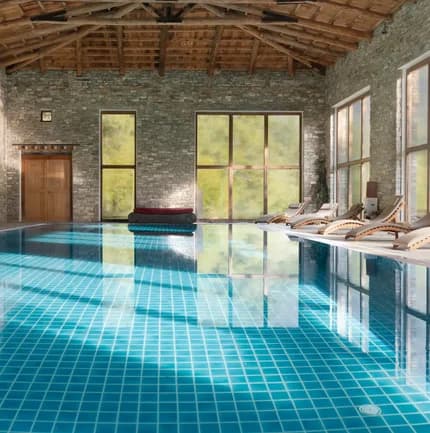
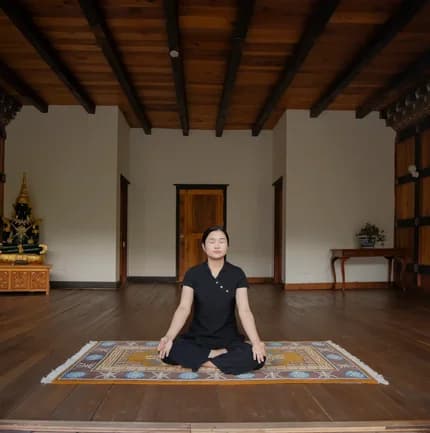
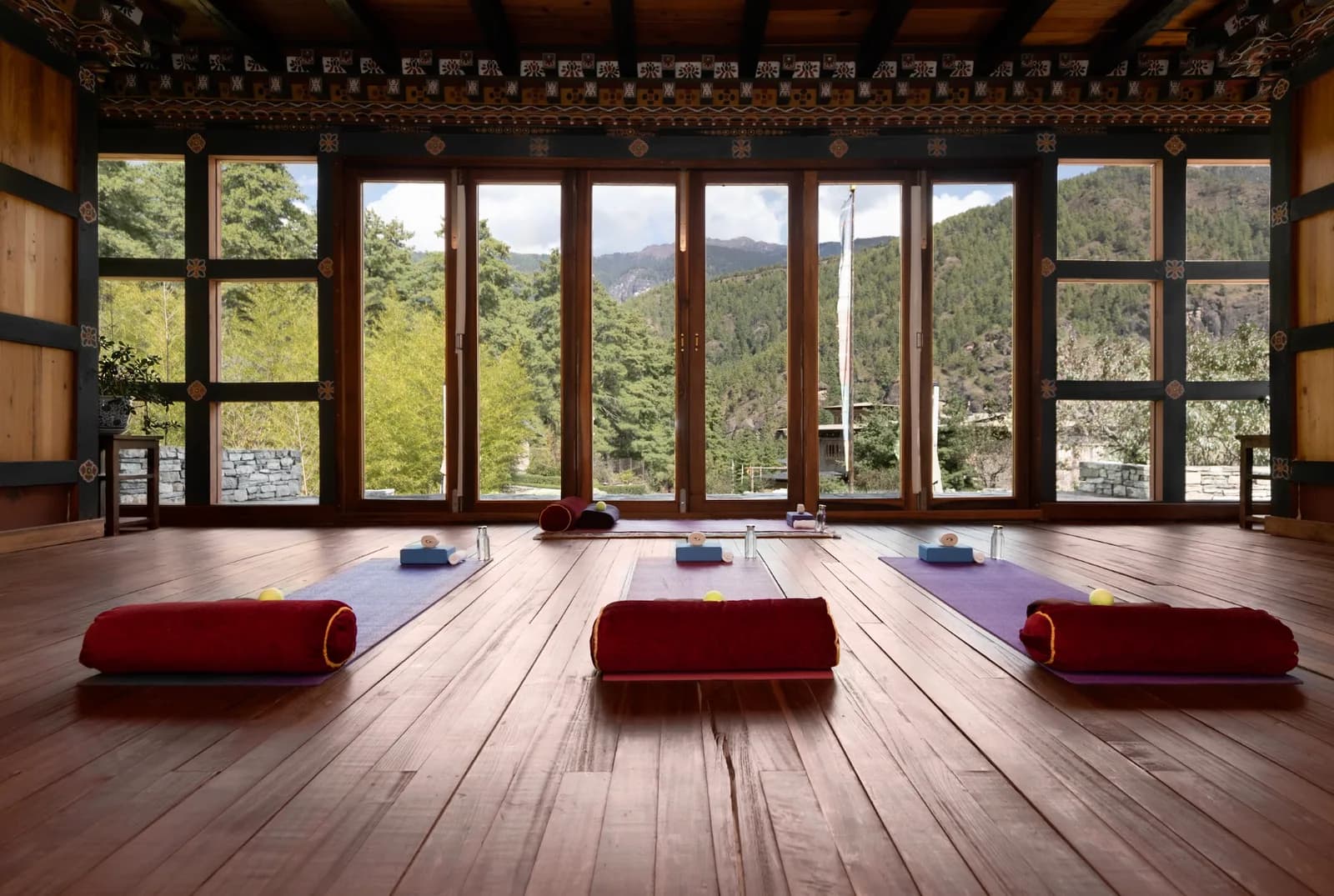
Facilities are structured around both engagement and retreat. The indoor heated pool contrasts with the open landscape, while the Menlha Spa draws on Himalayan traditions in both its treatments and settings. Samden, the meditation house, sits slightly apart, oriented towards views of the valley and, on clear days, towards the distant outline of Tiger’s Nest. Yoga sessions and retreats are held here, but the space is equally used for individual practice. A tea house, library and activity spaces allow for slower engagement, while the Mad Monk Bar provides a more informal setting for evenings within the property. The tea experience is not staged—it remains simple, allowing guests to engage with Bhutanese butter tea and local practices without formality. Traditional activities such as archery and khuru (traditional darts) are available on the grounds and are introduced in a way that allows participation without performing. A fitness centre is also available on site.
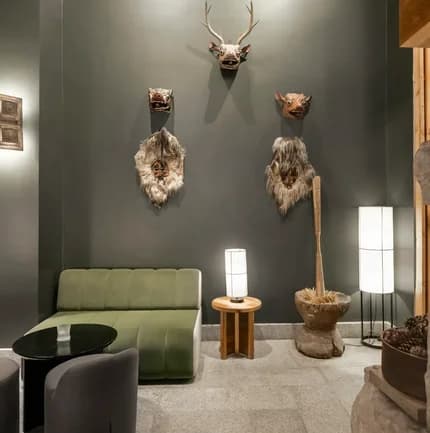
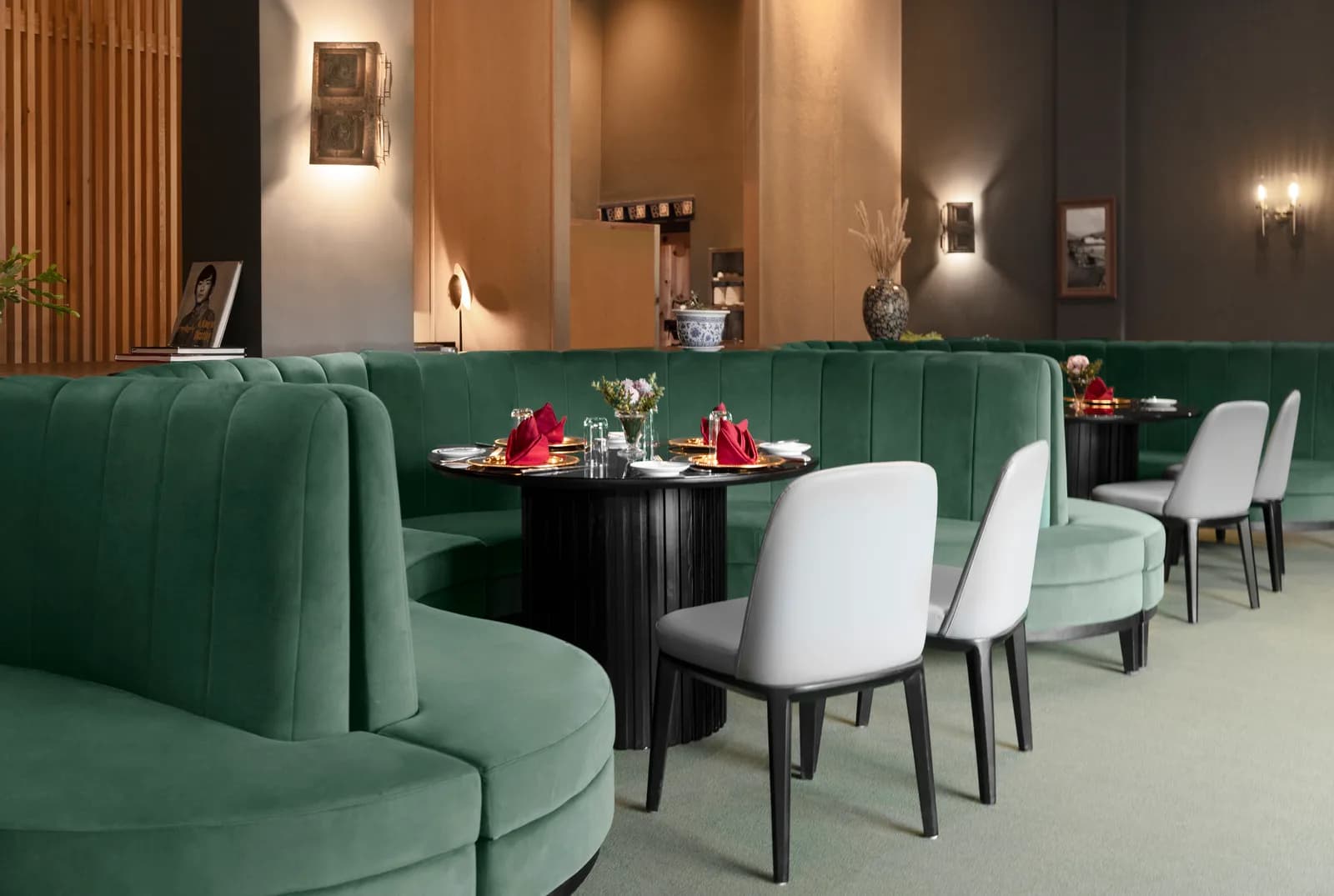
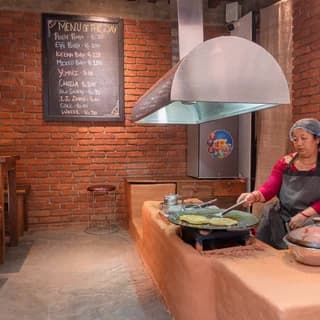
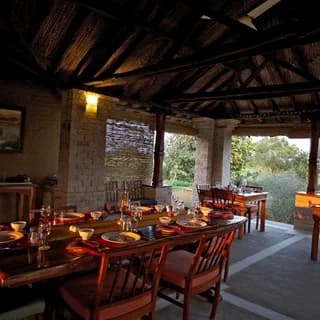
Dining at Zhiwaling Heritage is spread across two primary spaces. Lingka, the main restaurant, is open and adaptable, serving a range of Bhutanese and international dishes. Gawa is more contained, with traditional décor and a stronger emphasis on Bhutanese cuisine. Meals are not overly stylised. Ingredients are fresh, preparation is consistent, and the experience is shaped as much by setting—terrace dining, seasonal variation—as by the food itself. There is an absence of excess here. The approach is measured, allowing the environment and pace of the stay to define the experience rather than elaborate presentation. Pre-dinner drinks and slower evenings often move to the Mad Monk Bar, a more informal space where local spirits such as ara and classic cocktails are served in a warm, fire-lit setting. It functions less as a separate venue and more as an extension of the day, where conversations linger, and the property's pace becomes most apparent.
At Zhiwaling Heritage, guests can engage with Bhutan’s living cultural and spiritual traditions through a thoughtful set of in-house experiences designed to slow you down and deepen your sense of place.
The Tea House offers a quiet, intimate setting to take part in a traditional Bhutanese tea ceremony, where guests can prepare butter tea using a wooden churner and enjoy it alongside a modest library collection. Guests can also engage in ceramic painting here, adding a creative and hands-on dimension to the experience. For those seeking stillness, the property also offers yoga and meditation sessions in the Samden Meditation House, with sweeping views of Paro Taktsang (Tiger’s Nest) — a setting that lends itself beautifully to mindful movement, breathwork, and reflection.
A key highlight is the hotel’s in-house Buddhist temple, built with 450-year-old timbers from Gangtey Monastery, offering insight into Bhutan’s spiritual heritage, sacred iconography, and ritual traditions, including ceremonies such as the Lhab Sang Ritual for new beginnings.
Guests can also witness demonstrations of Bhutan’s traditional sports — archery and khuru (dart throwing), both of which are deeply woven into the country’s cultural identity and community life.




Tiger’s Nest Monastery (Paro Taktsang) - A short drive from the hotel brings you to the trailhead of Bhutan’s most significant monastery, set dramatically into a cliff face at over 3,000 metres. The climb takes two to three hours, passing through pine forests and prayer-flag-lined paths, with intermittent views of the monastery appearing and disappearing along the way. The experience is as much about the gradual ascent as it is about the destination itself, with the final approach—across a narrow ridge—offering a closer understanding of its scale and setting.
Drukgyel Dzong - Located at the northern end of the Paro Valley, Drukgyel Dzong was built in the 17th century to defend against Tibetan invasions and has recently been restored with careful attention to traditional methods. The site is expansive and relatively quiet, allowing you to walk through its courtyards and ramparts while taking in uninterrupted views of the surrounding mountains, including, on clear days, Mount Jomolhari in the distance.
Paro Town & Valley Walks - Paro town offers a slower, more grounded experience of Bhutan beyond its monasteries, with small markets, local shops and everyday activity. Walking through the valley—either independently or with a guide—takes you past farmhouses, cultivated fields and smaller temples, offering a closer look at how daily life continues alongside the country’s more visible cultural landmarks.
Join RARE circle for exclusive rewards and privileges at our stunning properties









EXCLUSIVE Travel insights and special offers. no spam, just RARITY.