

Three Big Cats and the Wilderness
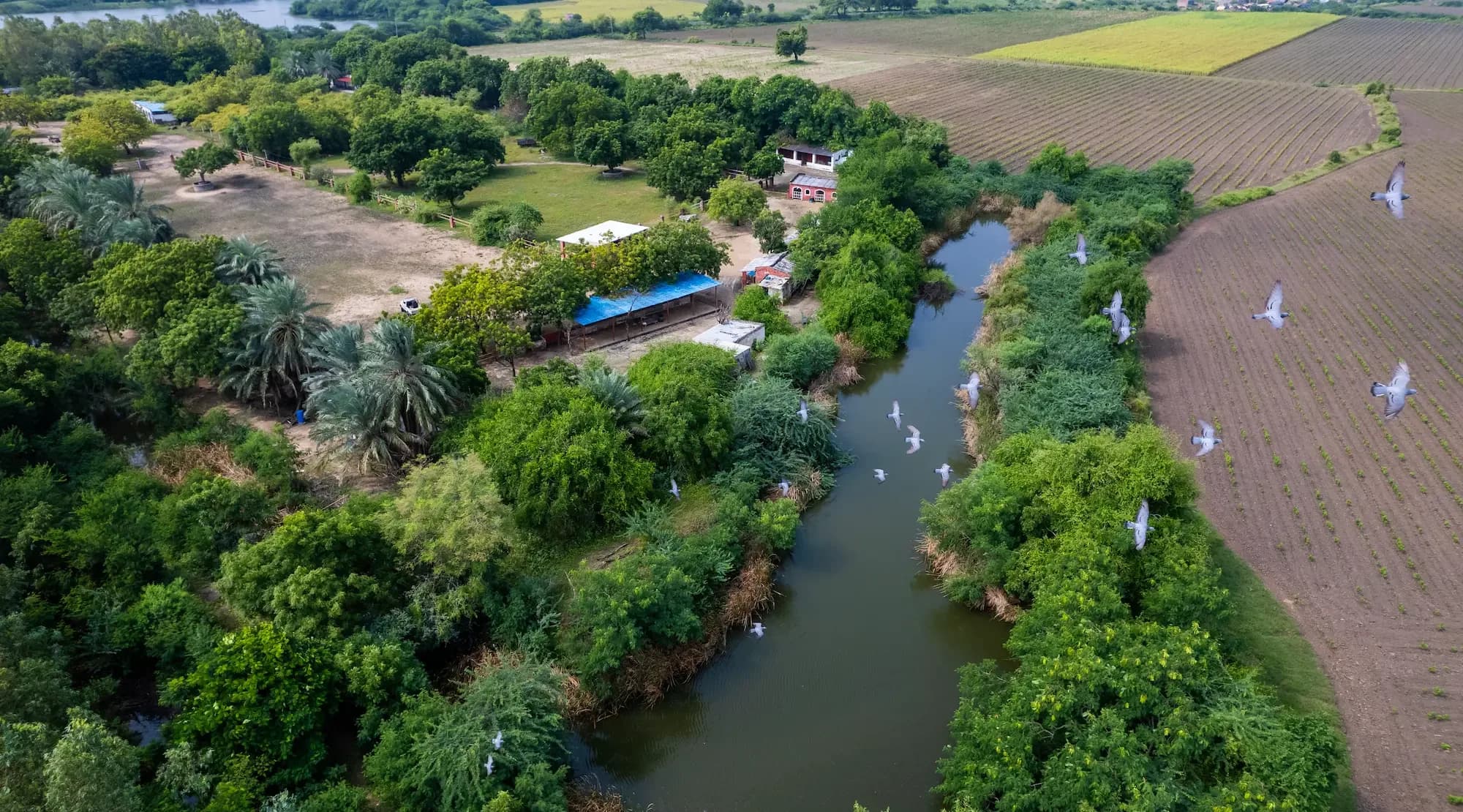
This journey follows one of India’s most compelling wildlife arcs, from the tiger forests of Ranthambhore to the leopard country of Bera and the last wild home of the Asiatic lion in Gir.
Yet the story is not only about the big cats. It is also about the landscapes that hold them: Jaipur’s cultural and natural edges, Ramathra’s rewilded ravines and lake country, the pastoral granite hills of Jawai, the salt flats and wetlands of the Little Rann of Kutch, Ahmedabad’s layered urban heritage, and finally the dry deciduous forests of Gir.
Designed for travellers who enjoy wildlife with context, this itinerary brings together conservation-led stays, owner-hosted hospitality, village life, birding, craft, architecture, rewilding stories and the quiet drama of landscapes where people and wild species continue to share space.
-430x433.webp&w=3840&q=75)
Each Day on A RARE Itinerary in India
DAY 01
Stay: Laalee
Arrive in Jaipur, a city of colour, courtly memory, living craft and layered history. Spend the day settling into Laalee and easing into the rhythm of Rajasthan. Depending on arrival time, explore Jaipur’s old bazaars, design ateliers, food traditions or the quieter cultural corners of the city.
Jaipur sets the tone for the journey: heritage, landscape, hospitality and craft, all held together by one of India’s most recognisable cities.
DAY 02
Stay: Laalee
Spend the day exploring Jaipur beyond the obvious. Visit its forts, palaces and old neighbourhoods, or focus on craft, textiles, jewellery, architecture and culinary traditions.
For those interested in the outdoors, Jaipur also offers access to the Aravalli landscape, with trails, birding and natural habitats that reveal a softer, wilder side of the city. The day introduces the journey’s larger theme: India’s wilderness is rarely separate from culture.
DAY 03
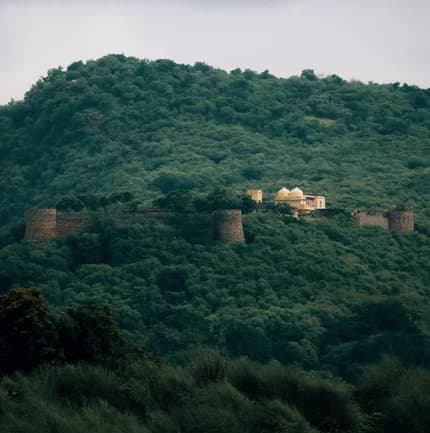
Stay: Ramathra Fort
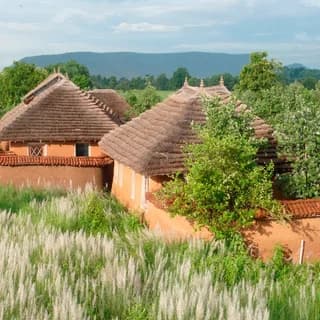
Travel from Jaipur to Ramathra Fort, set between village life, ravines, lake country and the rugged Daang landscape.
Ramathra is Rajasthan at its most understated and rewarding: a fort with a mythic name, a restored rural inheritance and a landscape shaped by rewilding. Spend the afternoon settling in, walking through the fort, taking in the views over Kalisil Lake, or simply allowing the pace of the journey to slow.
DAY 04
Stay: Ramathra Fort
Spend the day exploring Ramathra’s surrounding countryside. Walk through village paths, visit local shrines, enjoy birding around the lake, or explore the ravines and restored Dhonk forest that form part of the property’s larger wilderness story.
This is not a big-cat chapter, but it is essential to the journey. Ramathra offers a quieter understanding of habitat, rural life, myth, water, community and the slow return of the wild.
DAY 05
Stay: Khem Villas
Continue to Ranthambhore, one of India’s most iconic tiger landscapes. Here, forest, lakes, ruins and the great fort come together in a setting of rare theatrical power.
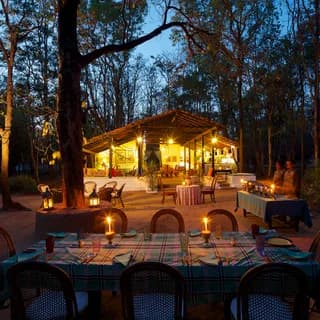
Arrive at Khem Villas, a deeply conservation-led stay on the edge of the reserve. The property is shaped by a family long associated with wildlife protection, habitat care and meaningful engagement with the ecology of Ranthambhore.
DAY 06
Stay: Khem Villas
Head into Ranthambhore for tiger safaris. The Royal Bengal tiger may be the magnet, but the wider landscape is equally compelling: dry deciduous forest, lakes, old hunting pavilions, crocodiles, deer, birds, langurs and the dramatic ruins that give Ranthambhore its atmosphere.
Return to Khem Villas for slow meals, quiet time and conversations around conservation, wildlife and the changing relationship between forests and the communities that live near them.
DAY 07
Stay: Khem Villas
Spend another day in tiger country, with morning and afternoon safari options. A second day allows the forest to reveal itself more generously: alarm calls, pugmarks, birdlife, grazing herds, sudden silences and the choreography of a landscape built on patience.
This is where the itinerary begins to shift from sighting to understanding.
DAY 08
Stay: Bera Safari Lodge
Travel onwards to Bera, in the Jawai region of Rajasthan. This is one of India’s most unusual leopard landscapes, where granite outcrops, pastoral routes, village shrines, water bodies and Rabari communities shape a remarkable story of coexistence.
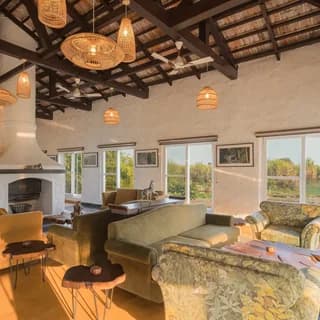
Arrive at Bera Safari Lodge and spend the evening taking in the stillness of the landscape, where leopards move across rock and scrub with an ease that feels almost ancestral.
DAY 09
Stay: Bera Safari Lodge
Explore leopard country with expert local knowledge. Unlike conventional safari landscapes, Bera is not about entering a fenced wilderness. It is about understanding a shared landscape where leopards, shepherds, birds, crocodiles, temples and villages exist in a delicate rhythm.
The day may include leopard tracking, birding, village interactions and time in the rocky wilderness of Jawai. It is a powerful contrast to Ranthambhore: less theatrical, more intimate, and deeply rooted in coexistence.
DAY 10
Stay: RAAS Devigarh
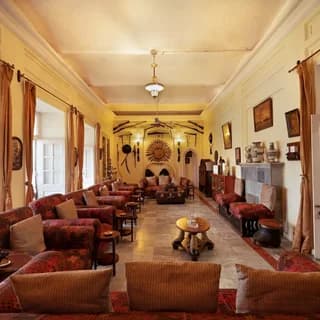
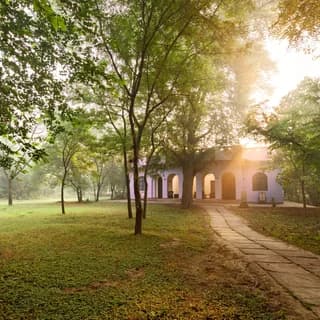
Travel to RAAS Devigarh, set in the Aravalli hills near Udaipur. After the intensity of tiger and leopard country, Devigarh offers a graceful pause: palace architecture, wellness, temple towns, village walks, mountain air and slow hospitality.
This is a day to rest, reflect and allow the journey to open into another register of Rajasthan: refined, quiet, architectural and deeply atmospheric.
DAY 11
Stay: RAAS Devigarh
Spend the day exploring the world around Devigarh. Visit nearby villages, temples, countryside trails or Udaipur’s lakes and old city, depending on interest.
This chapter connects wilderness with culture, reminding travellers that the outdoors in India is not always remote. Sometimes it sits just beyond a palace courtyard, in a village path, a hillside shrine, a farm, a lake, or a conversation with someone who knows the land well.
DAY 12
Stay: Rann Riders
Drive into Gujarat and arrive at Dasada, gateway to the Little Rann of Kutch. At Rann Riders, the land opens into salt flats, wetlands, scrub islands, pastoral communities and immense skies.
Spend the evening settling in, with the possibility of a gentle walk, birding, or an introduction to the unique ecology and culture of the Rann.
DAY 13
Stay: Rann Riders
Explore the Little Rann of Kutch, home to the Indian wild ass, flamingos, raptors, wetlands, salt flats and wide open horizons.
The day may include safaris into the Rann, birding, village visits, craft interactions and encounters with communities known for weaving, beadwork, pastoral knowledge and textile traditions. This is one of the journey’s most quietly original sections, where wilderness, craft and community meet under a vast sky.
DAY 14
Stay: The House of MG
Travel to Ahmedabad, a city of pols, textiles, stepwells, Jain architecture, food, museums and mercantile memory.
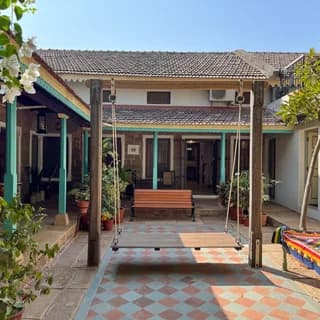
Stay at The House of MG, a heritage hotel that offers a deeply rooted urban pause. Explore the old city, its architecture, craft traditions and culinary heritage. After days in forests, hills and salt flats, Ahmedabad brings the journey into a different kind of wilderness: the layered cultural ecology of an old Indian city.
DAY 15
Stay: The House of MG
Spend the day exploring Ahmedabad in greater depth. Visit heritage neighbourhoods, textile museums, stepwells, markets, temples and restored architectural spaces.
This day gives the itinerary cultural balance before the final wildlife chapter. It is also a reminder that conservation is not only ecological. It is architectural, culinary, artisanal and urban.
DAY 16
Stay: Hotel of your choice
Travel to Gir, the only place in the world where the Asiatic lion survives in the wild.
Arrive and settle into your chosen hotel. The landscape here is one of dry deciduous forest, Maldhari pastoral communities, birds, deer, leopards, hyenas, jackals and lions. Gir completes the central wildlife arc of the journey: tiger, leopard and lion, each in a distinct and deeply Indian landscape.
DAY 17
Stay: Hotel of your choice
Head into Gir for safaris in search of the Asiatic lion. The lion is the headline, but Gir’s wider landscape is rich with ecological and cultural significance, from its dry forests and riverine patches to its pastoral communities and lesser-seen wildlife.
This final chapter is a conservation story of global importance, and a fitting close to a journey that has moved through myth, rewilding, tiger forests, leopard hills, salt wilderness, heritage cities and lion country.
DAY 18
Depart from Gir for your onward journey.
Leave with more than a checklist of sightings. This itinerary is a passage through India’s living habitats, where the tiger, leopard and lion headline the journey, but the deeper rewards lie in the worlds around them: forests, villages, salt flats, lakes, ravines, cities, craft, conservation and the people who make each landscape meaningful.













-320x320.webp&w=3840&q=75)