

Sustainability Story of Chanoud Garh
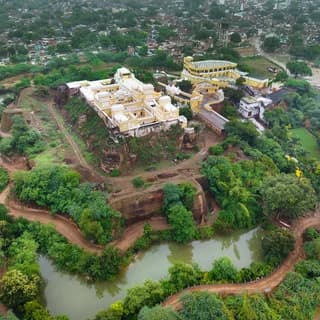
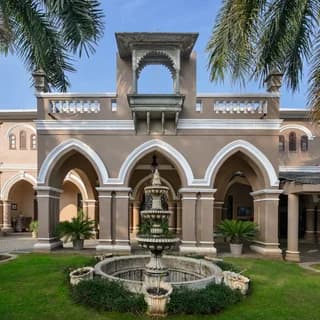
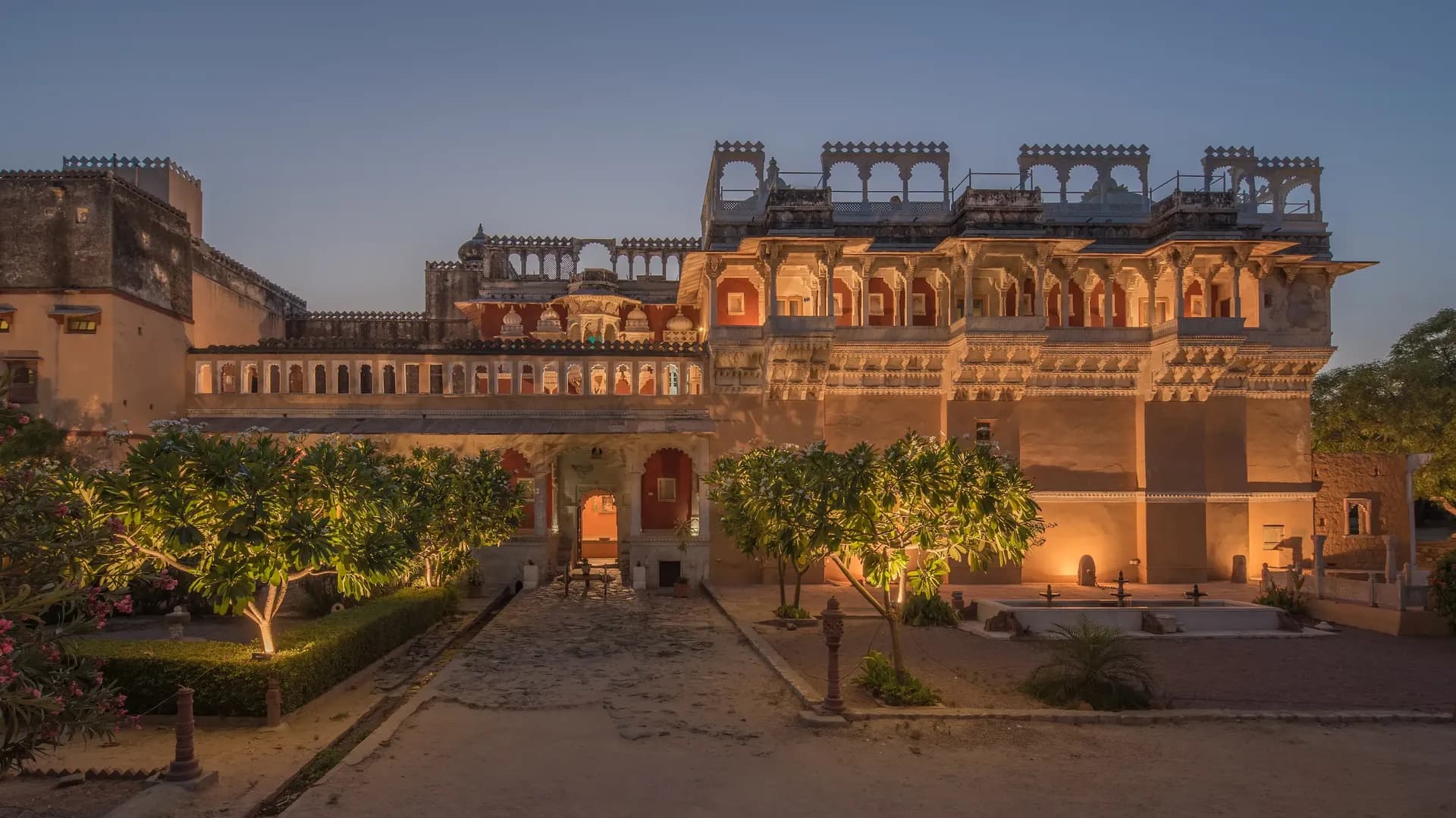
Chanoud Garh carries the grace of a 300-year-old palace that has not been frozen into a monument, but kept alive as a family home, a village anchor, and a place of continuing hospitality. In rural Rajasthan, where memory often lives in architecture, ritual, food, music, and the cadence of everyday life, its Pinwheel story is led by heritage conservation, local community engagement, and light footprint tourism.
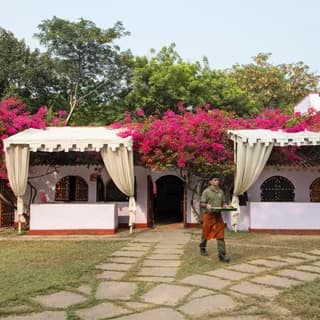
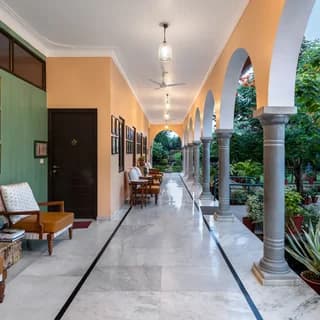
The palace preserves lived heritage rather than museum-like heritage. Its architecture, antiques, family stories, durbar hall, family museum, cuisine, craft, rituals, and seasonal celebrations remain part of an active culture of hosting. Guests are invited into heritage walks, family-led narratives, village life, and the textures of rural Rajasthan, allowing the past to be experienced through use, conversation, and continuity.
Chanoud Garh’s relationship with the surrounding village gives the stay its deeper meaning. Local produce, local artisans, village walks, craft interactions, folklore, music, dance, and cultural immersion bring the community into the experience, not as background, but as co-creator. The palace may be the architectural heart of the stay, but the village gives it pulse.
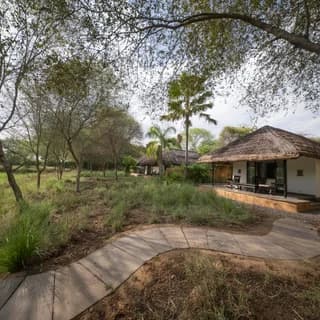
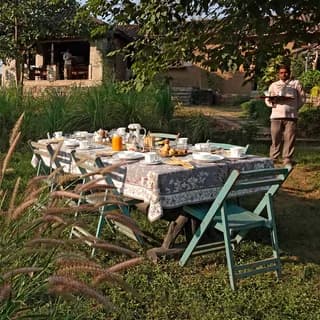
Its light footprint lies in its intimacy and pace. Rather than high-volume sightseeing, the experience is built around slow walks, family hospitality, meals, local crafts, small-scale cultural discovery, and the restoration of original palace elements. Organic materials and community-first responsible tourism help keep the model rooted in place.
Chanoud Garh reminds us that heritage is not preserved by locking it away. It is preserved when it continues to feed people, employ hands, carry stories, host strangers, and remain useful to the world around it.