

Sustainability Story of House of Rohet
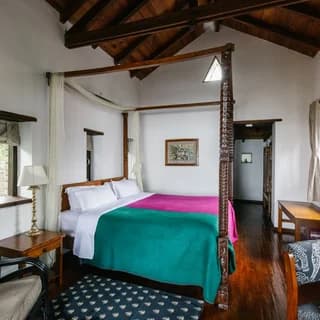
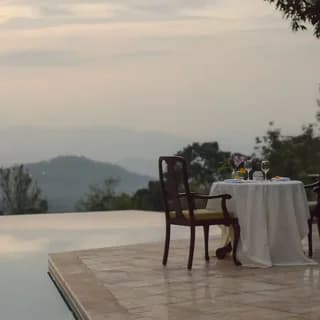
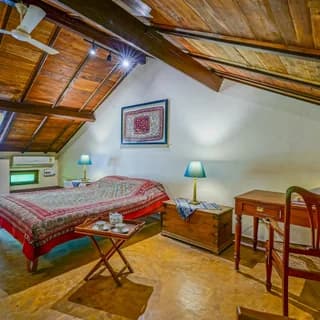
House of Rohet holds one of Marwar’s most layered hospitality stories. Across Mihir Garh, Rohet Garh, and The Rohet House, it preserves aristocratic memory, desert architecture, equestrian traditions, cuisine, craft, village relationships, and the ecological culture of the region.
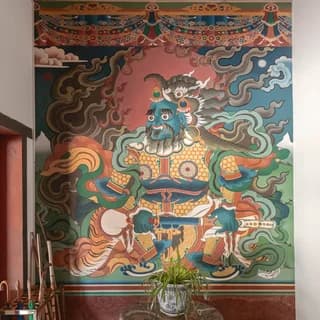
Its Pinwheel story is led by heritage conservation, community engagement, biodiversity interpretation, and light footprint tourism. Rohet Garh, a 400-year-old desert home and ancestral estate, carries the intimacy of family-led hospitality. Mihir Garh was created with more than 100 local artisans and craftsmen, with every detail designed to reflect the desert. Lippan-inspired fireplaces made by village women using cow dung and clay techniques, handcrafted décor, traditional cuisine, and local workmanship all keep Marwar’s cultural vocabulary alive.
The biodiversity connection is deeply tied to Bishnoi ecological culture and blackbuck conservation. The Village Safari introduces guests to Bishnoi communities, whose relationship with nature has long been shaped by protection, reverence, and restraint. This is conservation not in the language of modern policy, but in the older language of lived belief.
The House of Rohet experience is rooted in village safaris, horse riding, culinary workshops, slow rural travel, and desert immersion. Rather than confining Rajasthan to monuments, it brings guests into homes, crafts, communities, landscapes, and everyday rural knowledge.
The result is a hospitality model that feels emotionally textured and socially alive. House of Rohet does not simply showcase Marwar. It keeps Marwar in conversation.