Sustainability Story of Virsa Baltistan
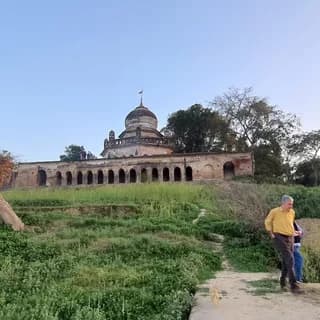
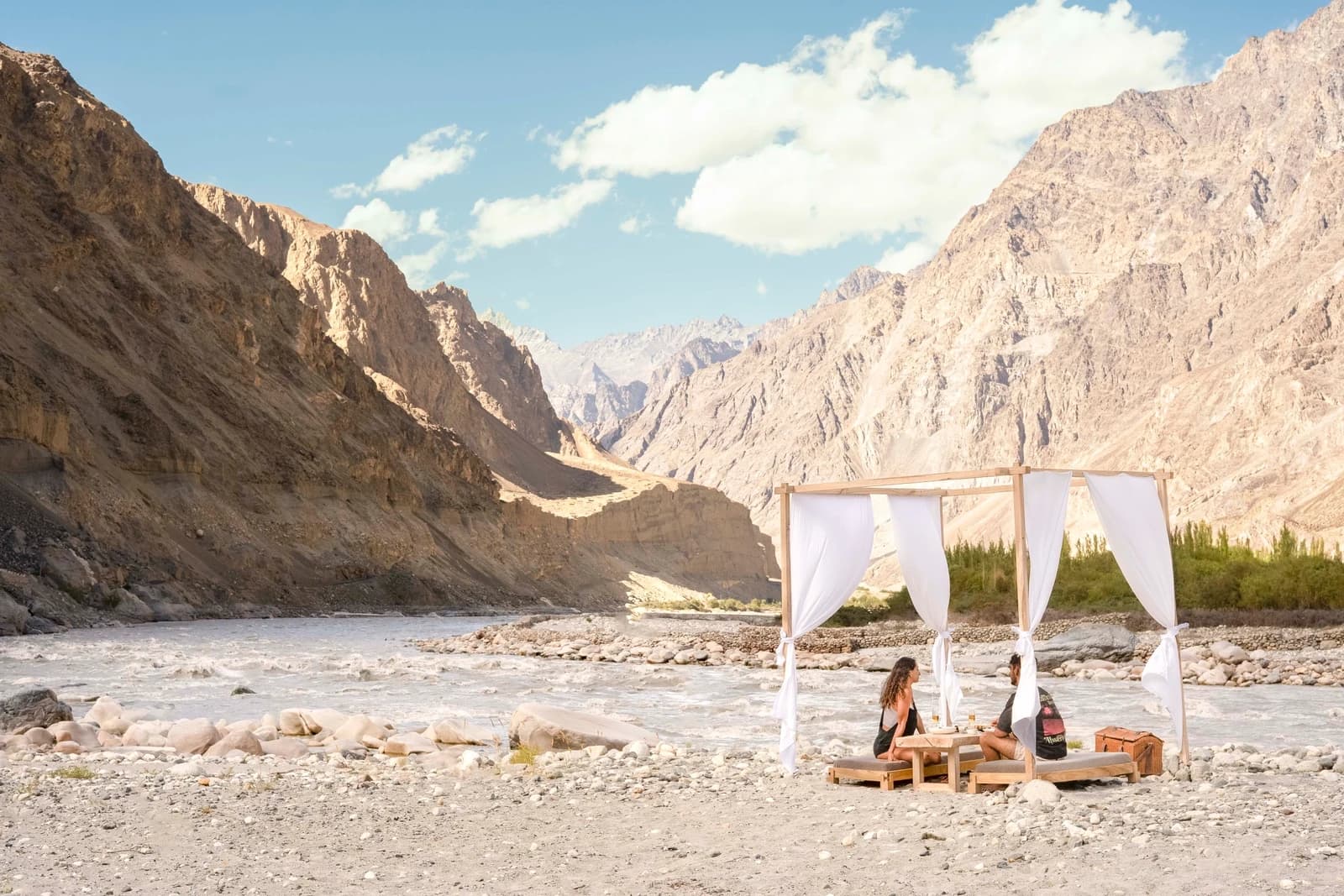
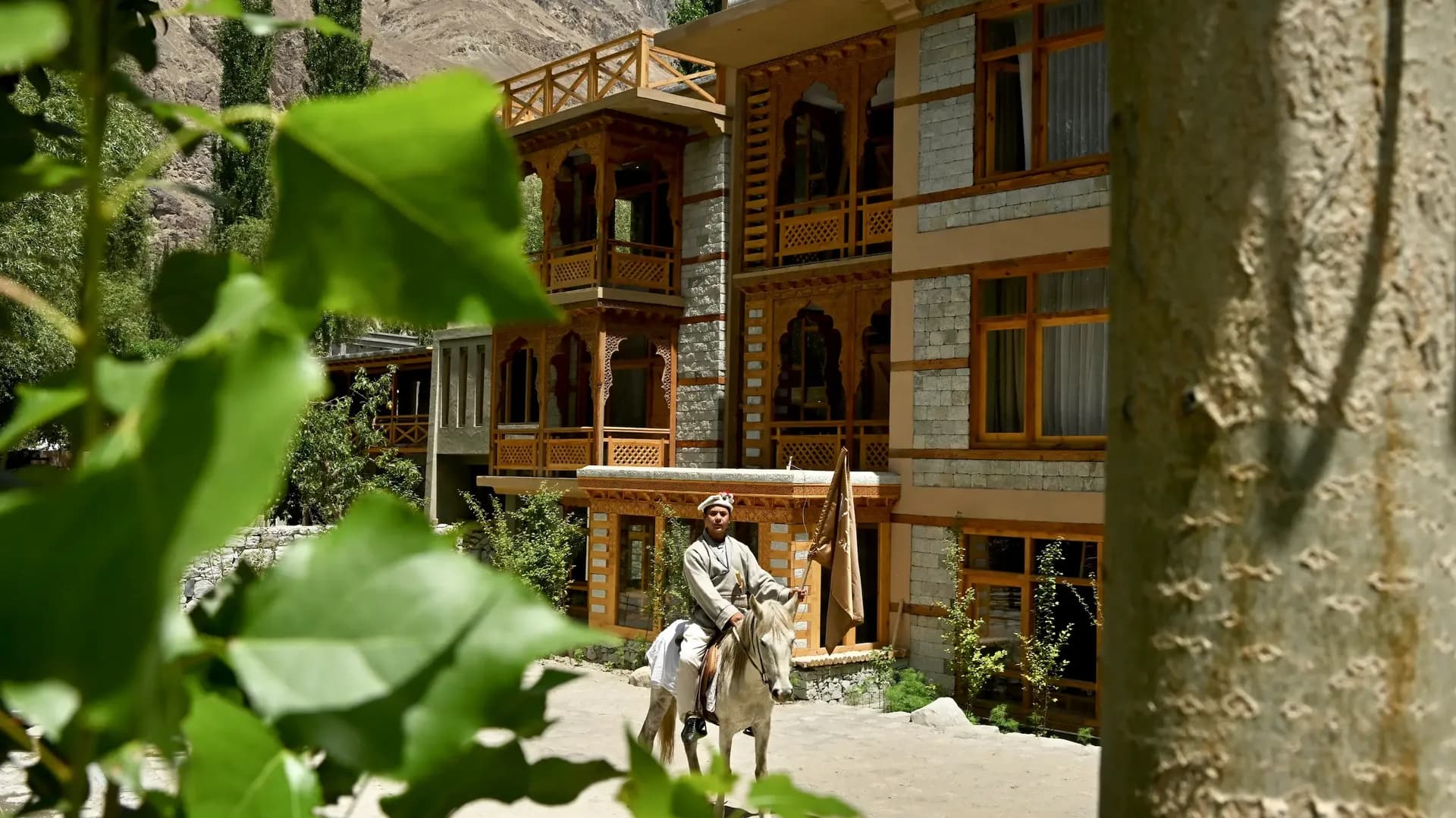
Virsa Baltistan stands in Turtuk, one of Ladakh’s most culturally evocative borderland villages. Here, heritage is not a decorative layer. It is the entire context. Turtuk belongs to a five-village region in Nubra Valley with a distinct Balti identity and a complex modern history, having been part of the Gilgit-Baltistan region until 1971 before becoming part of India.
This gives Virsa Baltistan a Pinwheel story rooted in cultural memory. Food, language, architecture, landscape, oral history, and identity carry the weight of a region that has lived through shifting borders without losing its cultural pulse. The guest experience becomes a way of encountering Ladakh beyond the familiar monastery-and-mountain frame.
In Turtuk, travel is less about arrival and more about listening. The village asks the traveller to recognise that heritage is not always grand or monumental. Sometimes it is held in apricot trees, stone lanes, kitchen traditions, dialects, family stories, and the careful etiquette of a place that has been seen too little and simplified too often.
Virsa Baltistan’s value lies in making this cultural world visible without making it feel exposed.