

Sustainability Story of The Lodge at Wah, Palampur
The Lodge at Wah is a thoughtful example of how mountain hospitality can emerge from local materials, traditional design, organic farming, and a deeply relational supply chain. Set in Palampur’s tea country, it translates the Pinwheel into architecture, food, community, and ecological care.
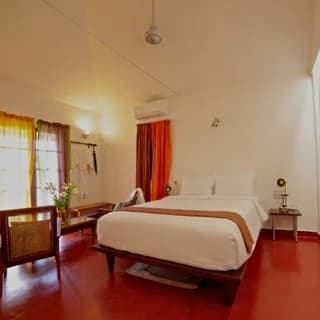
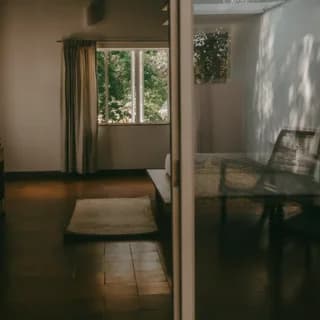
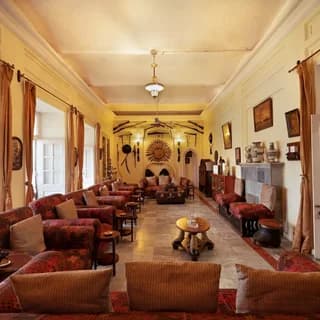
Energy efficiency begins with design. Large windows bring natural light and ventilation into the common room. Energy-efficient appliances and lighting reduce consumption, while mud walls and insulated wooden ceilings moderate indoor temperatures, reducing dependence on air-conditioning and heating. Plans to move towards solar energy extend this commitment.
Rainwater is harvested for gardens and tea estate use, and guests are encouraged to take shorter showers. The property also plans to expand rainwater harvesting, a vital practice in a mountain region shaped by seasonal water availability.
Staff are local and work in an environment that prioritises natural materials, reduced chemical use, and healthy food systems. Harsh toxic chemicals are avoided in construction, cleaning, polishing, and mosquito repellents. Waste is reduced through ceramic toiletry dispensers, glass or copper water bottles, elimination of plastic bin liners, beeswax wraps instead of cling film, and wet waste that supports permaculture and organic farming.
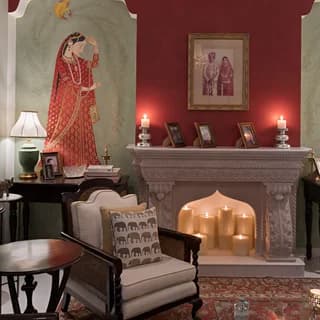
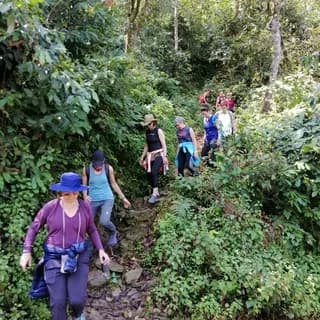
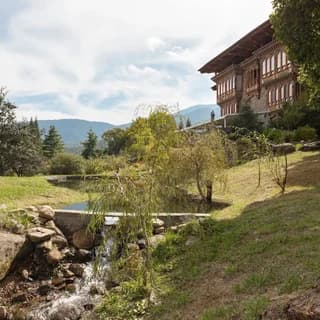
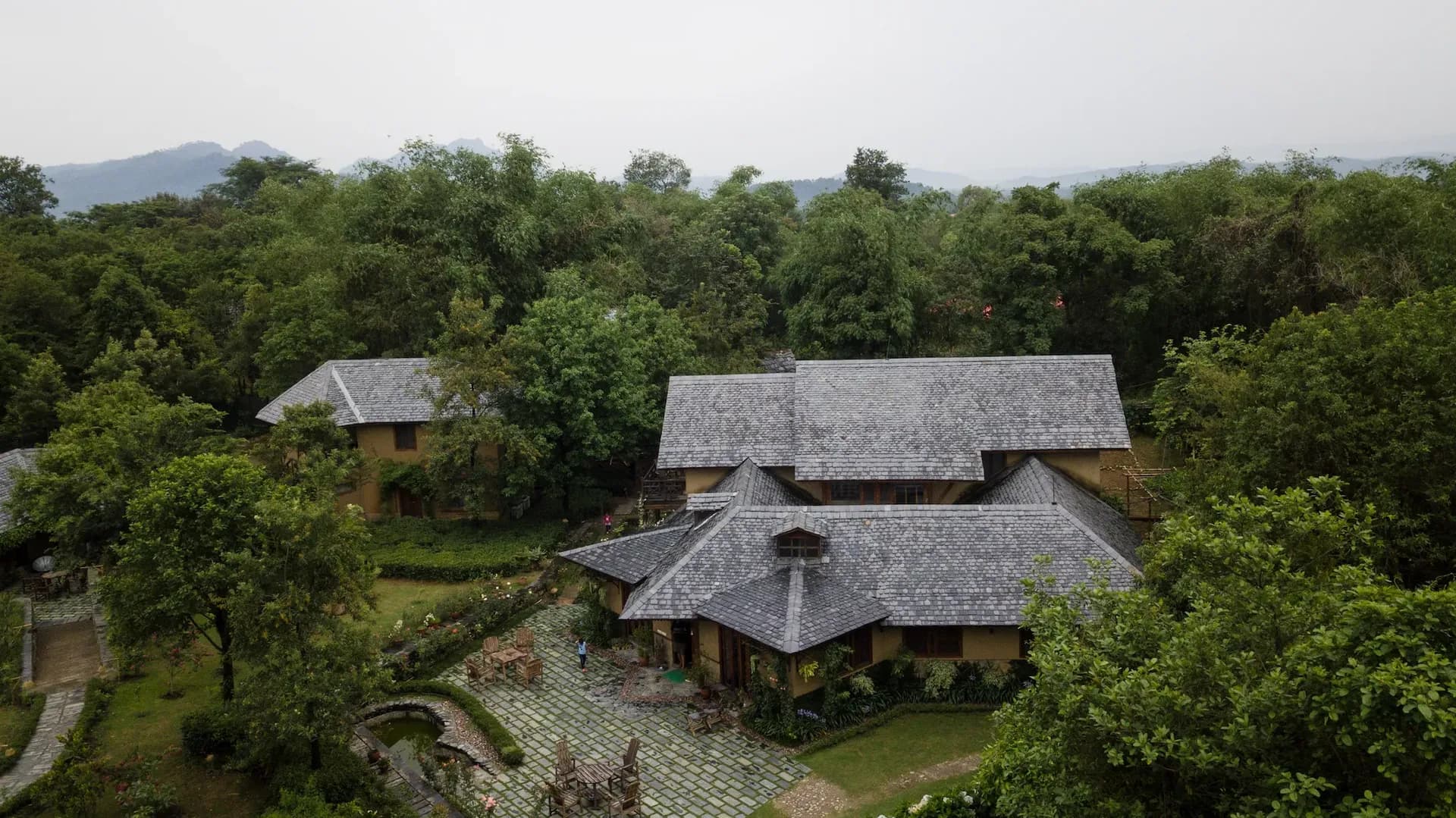
The entire team comes from the local community and nearby villages, with opportunities created through hospitality, guiding, farming, food production, and local supply chains. The lodge itself is built in traditional Gaddi and Kangra style, with slate roofs, mud floors, local materials, and reclaimed wood from the old Palampur Courthouse. Kangra Dham cuisine is served with in-house or locally sourced ingredients.
Biodiversity is protected through pesticide- and weedicide-free tea estate practices. Neem oil, chilli paste, biochar, tea waste mulch, and natural farming techniques support soil health and ecological balance.
Local guides, farmers, toiletries producers, cowherds, apiaries, and village women are part of the experience and supply chain. The Lodge at Wah’s beauty lies in its completeness. Nothing feels imported from a sustainability manual. Everything seems to have grown from the soil, climate, and common sense of Palampur.